

Maxon Railway : Est. 2022 : Tolt, Washington
kinetic rail car studio runs on reclaimed Great Northern rails
Featured in Architectural Digest, Bloomberg CityLab | Design, Trains magazine, Great Northern Historical Society magazine “The Goat” , NBC King5 “Evening Magazine”, German television program Galileo, Dezeen top reel of 2023 with 1.5+ million views, residential architectural international project of the year by Gray magazine, nominated for Mies Crown Prize and honorable mention silver award for The Architects Newspaper
Featured in/on Architectural Digest, archdaily, the architects newspaper, Bloomberg, designboom, dezeen, Evening Magazine, Explore Washington, Fast Company, Frame, Galileo Germany, Gray, Plain, The New York Times, uncrate, Seattle Refined, Second Studio Podcast, Tecture Japan, Toronto Star, Trains magazine, Treehugger , US Modernist and more!



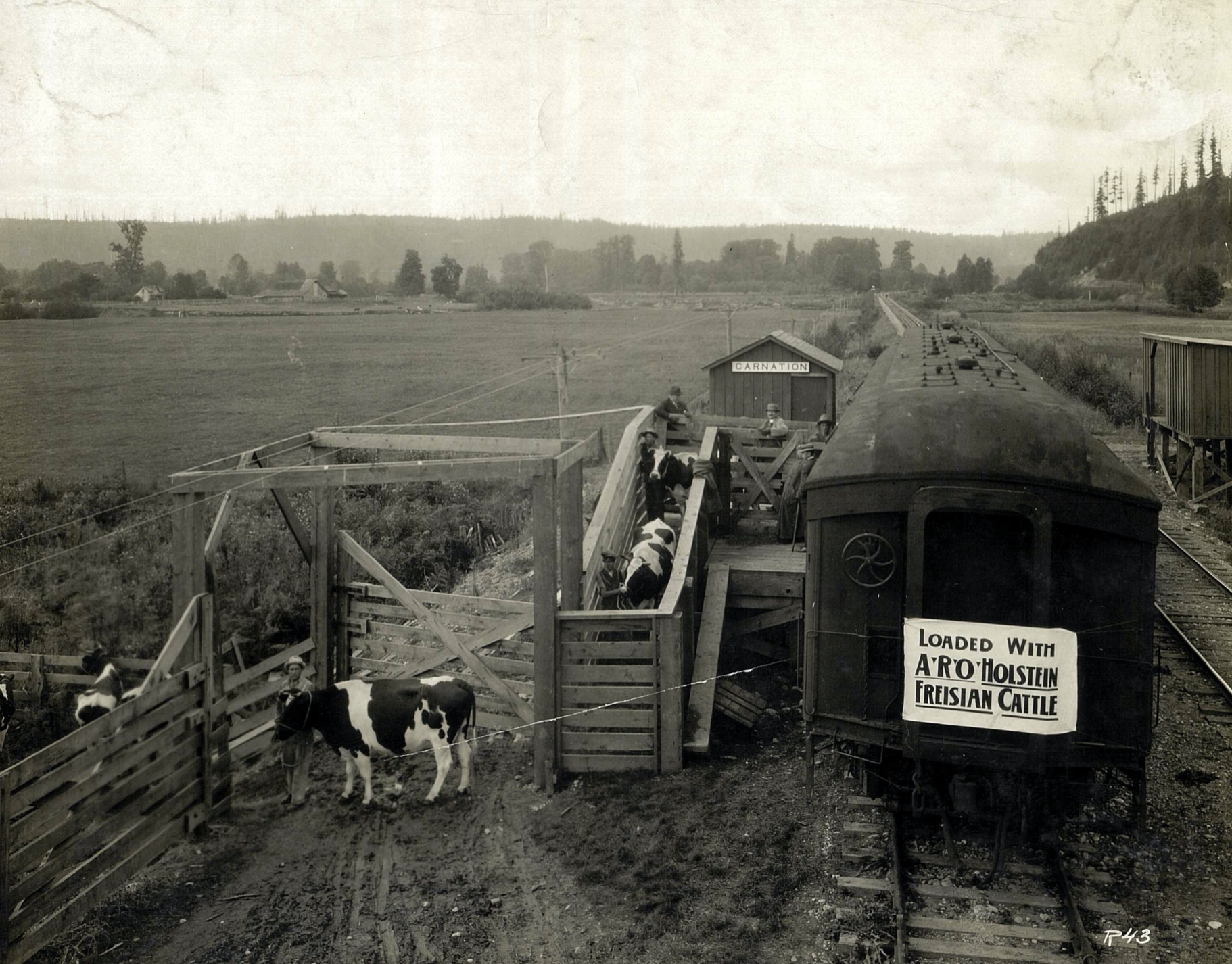
The Stuart spur in Carnation was established in the fall of 1911, with the opening of the 55 mile long Everett Line to freight service. A 525 foot long spur track, with the switch located at the east end, was placed here to serve the Carnation Stock Farm.
-
The founder of the Carnation brand bought the 360 acres sight unseen but taking the advice of his good friend Sam Hill — the same Sam Hill who made a fortune with Great Northern Railway. Hill, who also invested in the Carnation Company against the advice of his accountant, envisioned the railroad passing through there and, sure enough, a few years later it did.
-
-
By February, a switch was installed west of the spur, with the points and switch stand encroaching about 12 feet onto the east end of pile trestle bridge FF-876 and the Carnation Spur was connected up to it. This increased the length of the spur to 570 feet and made it a two-ended siding. The purpose was so that a milk car could be set off here, for loading, and then picked up by a westbound train later for delivery to the Pacific Coast Condensed Milk Company plant at Monroe, 15.3 miles west. This evaporated milk plant condensery was built along the Great Northern Railway in 1908 and was owned by the same interests as those who owned Carnation Farms. By 1914 the railroad was running a second milk car on the Everett Line from Duvall to Monroe, receiving about 125 cans per day at that point. By 1920 a private bridge was built across the river by the Carnation Farms, near the east switch of the spur, doing away with the old river ferry. In 1924, a timber incline and loading dock was constructed near the east end of the siding that allowed for farm trucks to drive up onto the elevated platform, back to the edge and dump their loads directly into gondola cars spotted alongside the structure.
-
Initially named the Carnation Spur, this important stop was later changed to the Stuart Spur in honor of Mr. Elbridge Amos Stuart, the founder of the Carnation Milk Company. The spur was established in the fall of 1911, with the opening of the 55 mile long Everett Line to freight service. A 525 foot long spur track, with the switch located at the east end, was placed here to serve the Carnation Stock Farm. The spur was located at mile post 26.3, midway on the Milwaukee's Everett Line. The station known as "Stuart" was once an important shipping point on the Coast Division. Never quite attaining the status of a true "station" in the timetable schedule, this "commercial track" none-the-less provided its share of revenue for the company for several years. By 1913, a 4'x18' cattle chute was added onto the end of the freight platform and a cattle pen was built by the farm so that shipments of cattle could be unloaded. Mr. Elbridge Amos Stuart, became very interested in the merits of using purebred cattle for increased milk production and began buying such cattle wherever he could obtain them and then shipped them by rail to his farm.
All Aboard
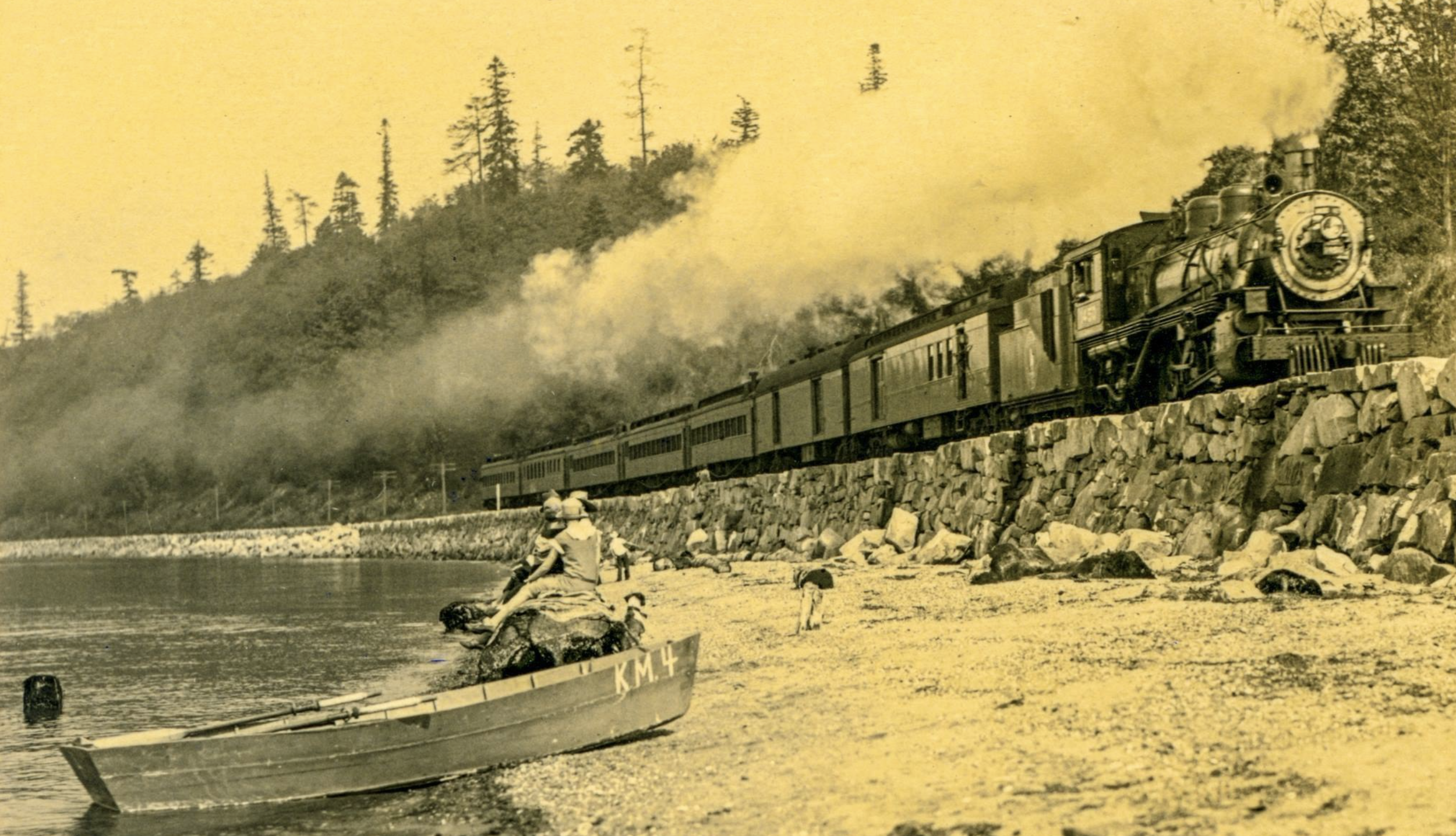
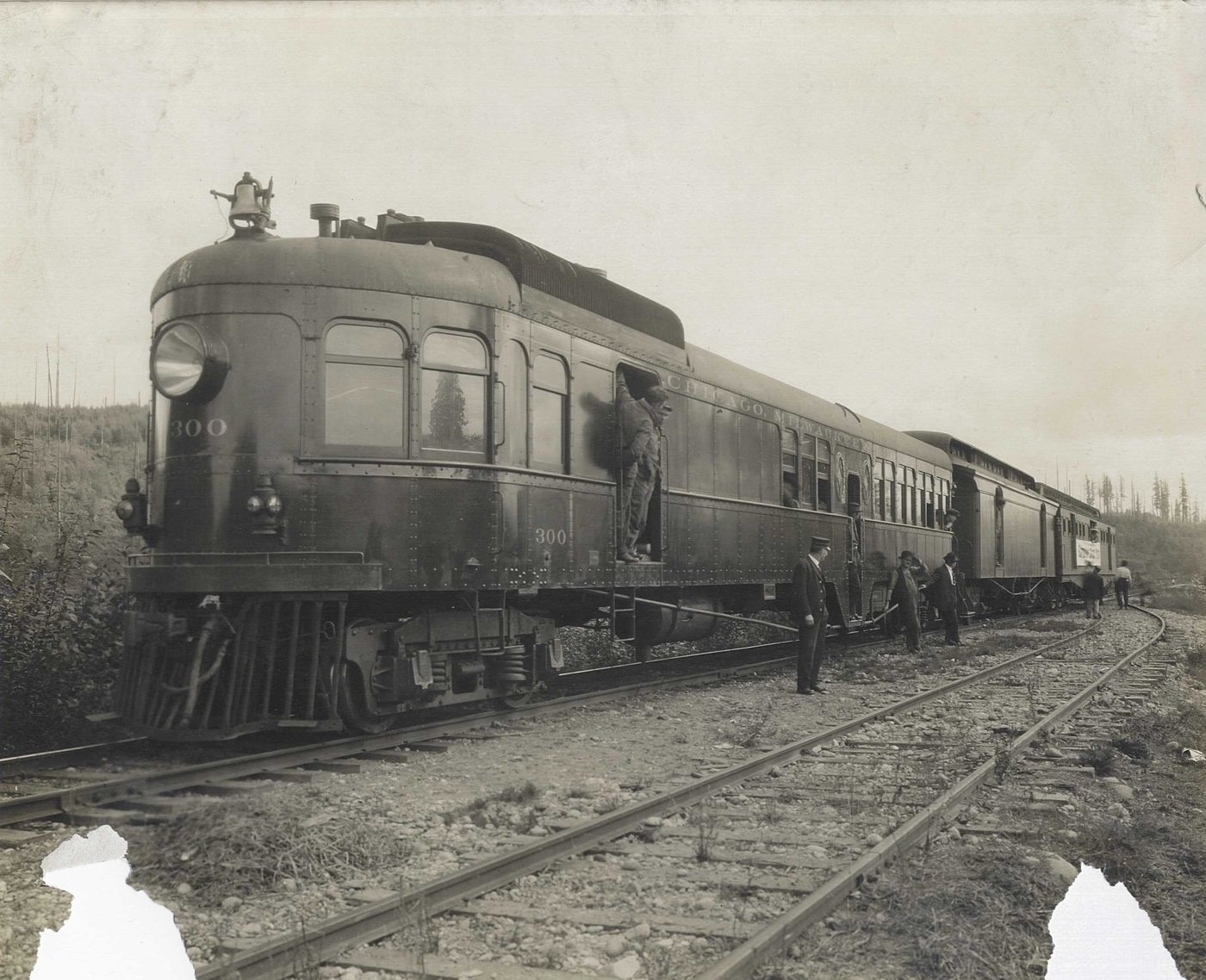
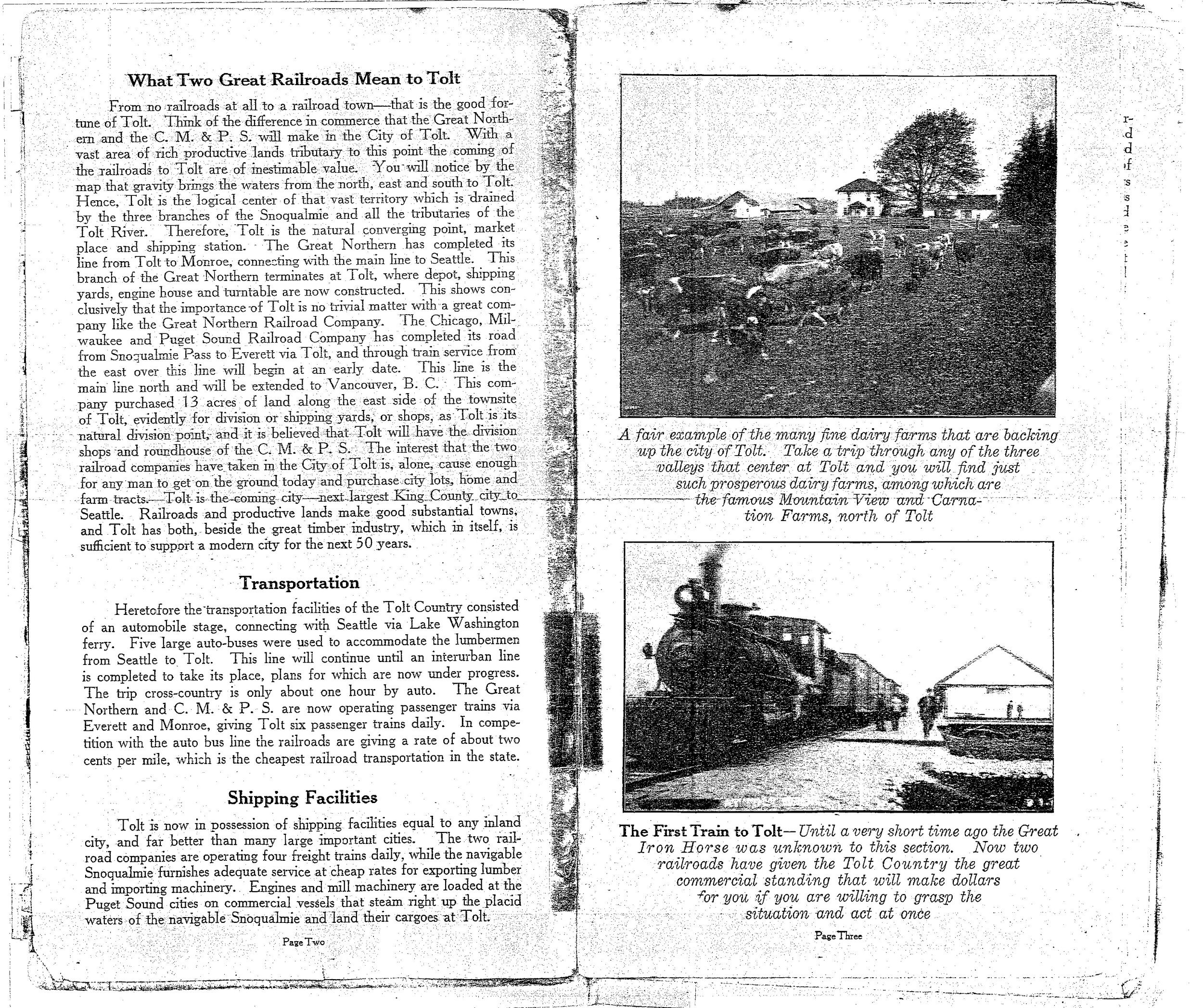
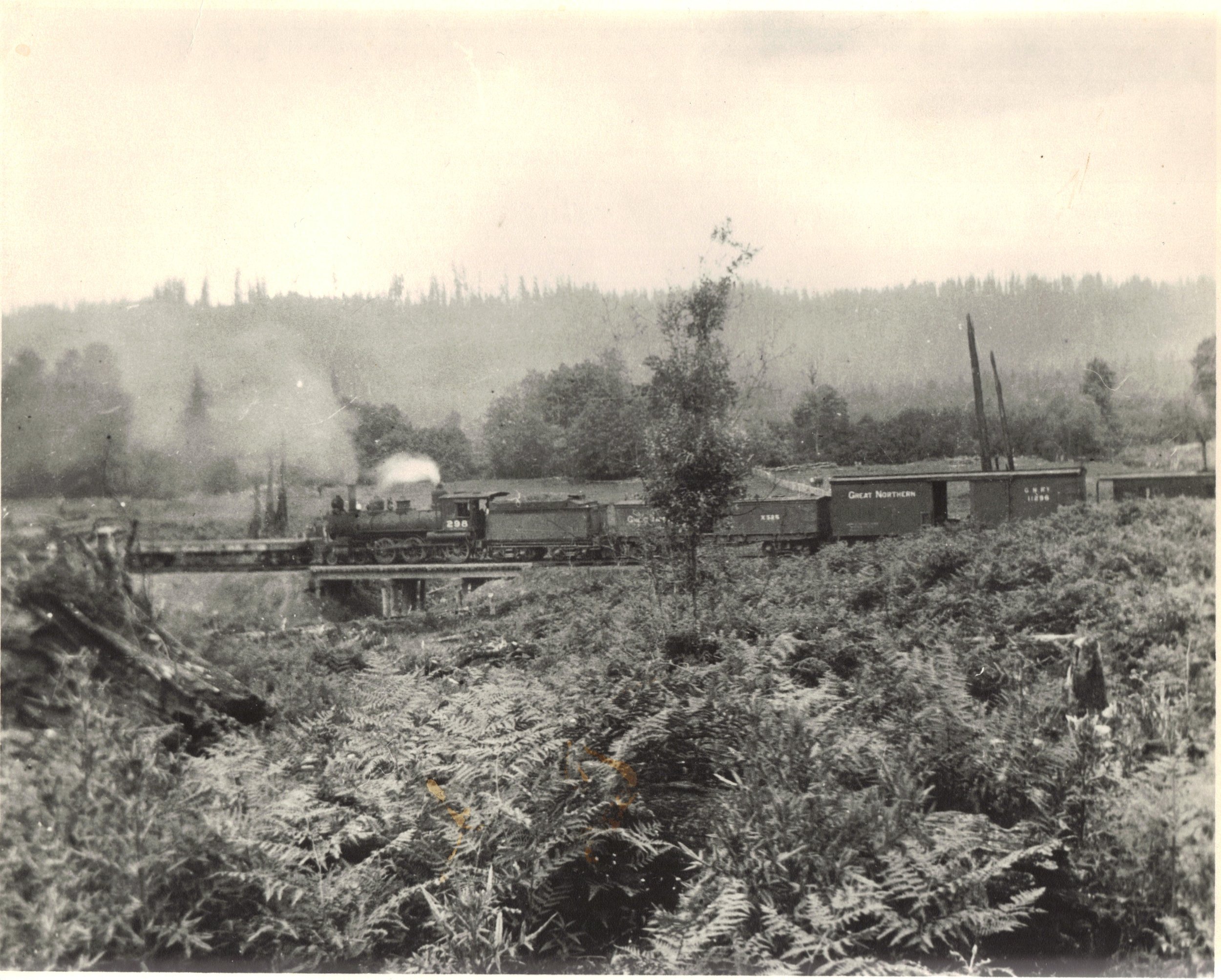
In 1910 the Great Northern Railway built a branch line from Monroe to Tolt. The Snoqualmie Valley line was sold to the Mlwaukee Railroad in 1917. The Chicago, Milwaukee and St. aul Railroad Co. build their branch line from Cedar Falls north to Monroe along the east side of the Snoqualmie River. The Milwaukee, as it was known, reached Tolt in 1911. Passenger service ended by the end of the 1930s, the depot remained open until 1949. The depot was sold and moved to East Entwistle Street. The last freight train through town came in the 1970s. The former railroad tracks are today’s Snoqualmie Valley Trail.
Check out this podcast for more background on the history of railroading in the Tolt Valley. Maxon Railway is sited parallel to both historic railroad lines that ran through town and were the lifeline for import and export of goods and services as well as passengers and mail in town.
-
Alpine Welding builds, concepts, designs and engineers high-end fabricated steel and kinetic structures in collaboration clients and world-class architects.
-
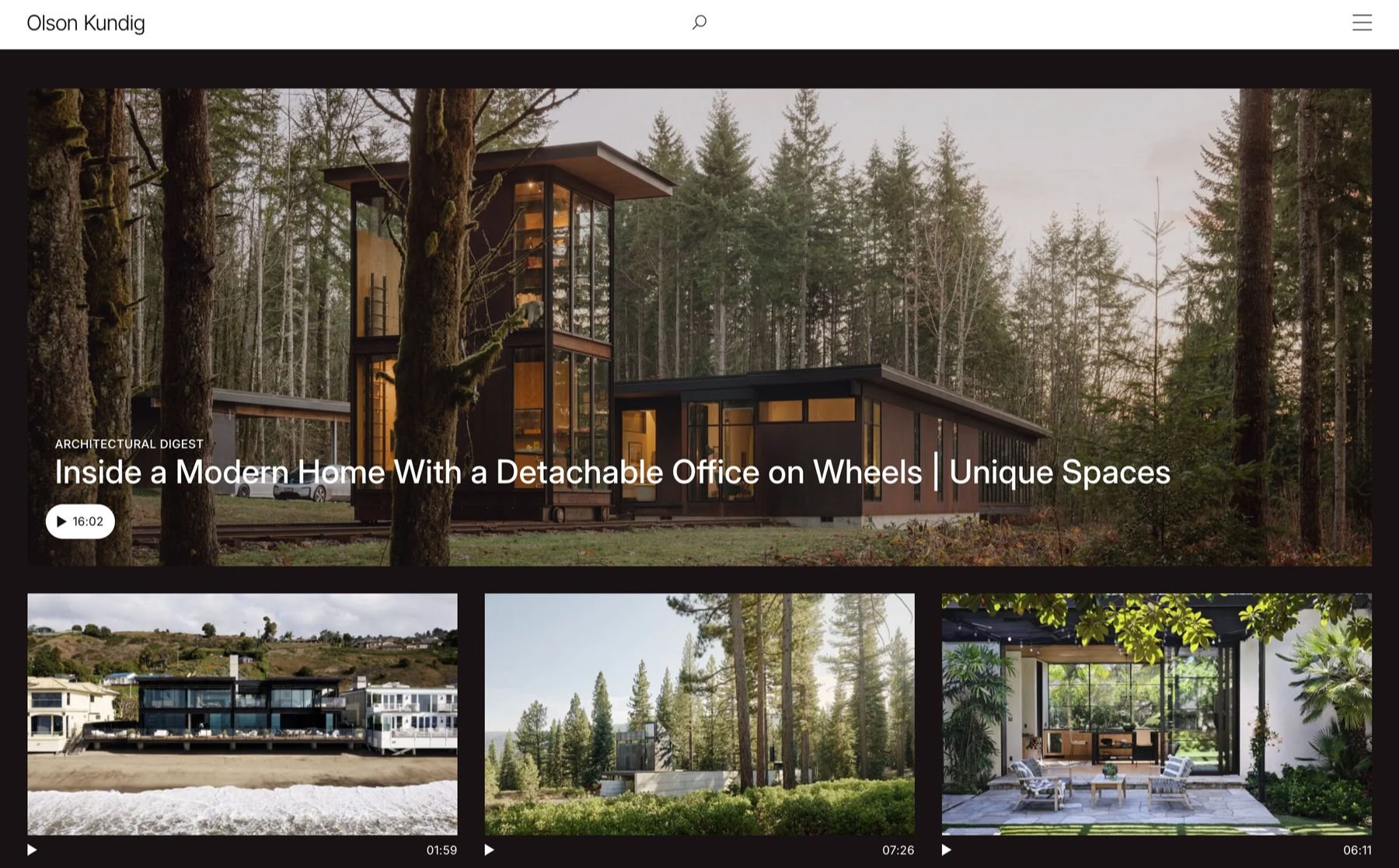
Today AD travels to the woodlands of the Pacific Northwest to tour Maxon House. Designed by Tom Kundig, owner of Olson Kundig Architects, Maxon House is a modern home revolutionizing the work commute. Work/life balance is given new meaning in Kundig’s design–a fully detachable home office on wheels journeys across a functional rail track into the forest creating an innovative work-from-home setup. With no shortage of ingenious features, Maxon House is a marriage of form and function and a prime example of modernist design.
-
-
Maxon Railway was named the 2024 residential architecture project the year Gray magazine.
-
The introduction of railroads to the area, led to the incorporation of Tolt. The Great Northern Railroad had reached Tolt from the north in 1910. In 1911, the Chicago, Milwaukee & St. Paul Railroad built a branch line from the South. The Milwaukee would later take over the Great Northern tracks up to Monroe, 15 miles to the north.
The Milwaukee Railroad also built a railyard and depot in Tolt. The railroad introduced a fast and reliable method of transportation and permitted Tolt to become a boomtown. Before the railroad, logs and dairy goods had been shipped on the unreliable river, with its heavy flooding in the early spring and low water levels at the end of the summer.
-
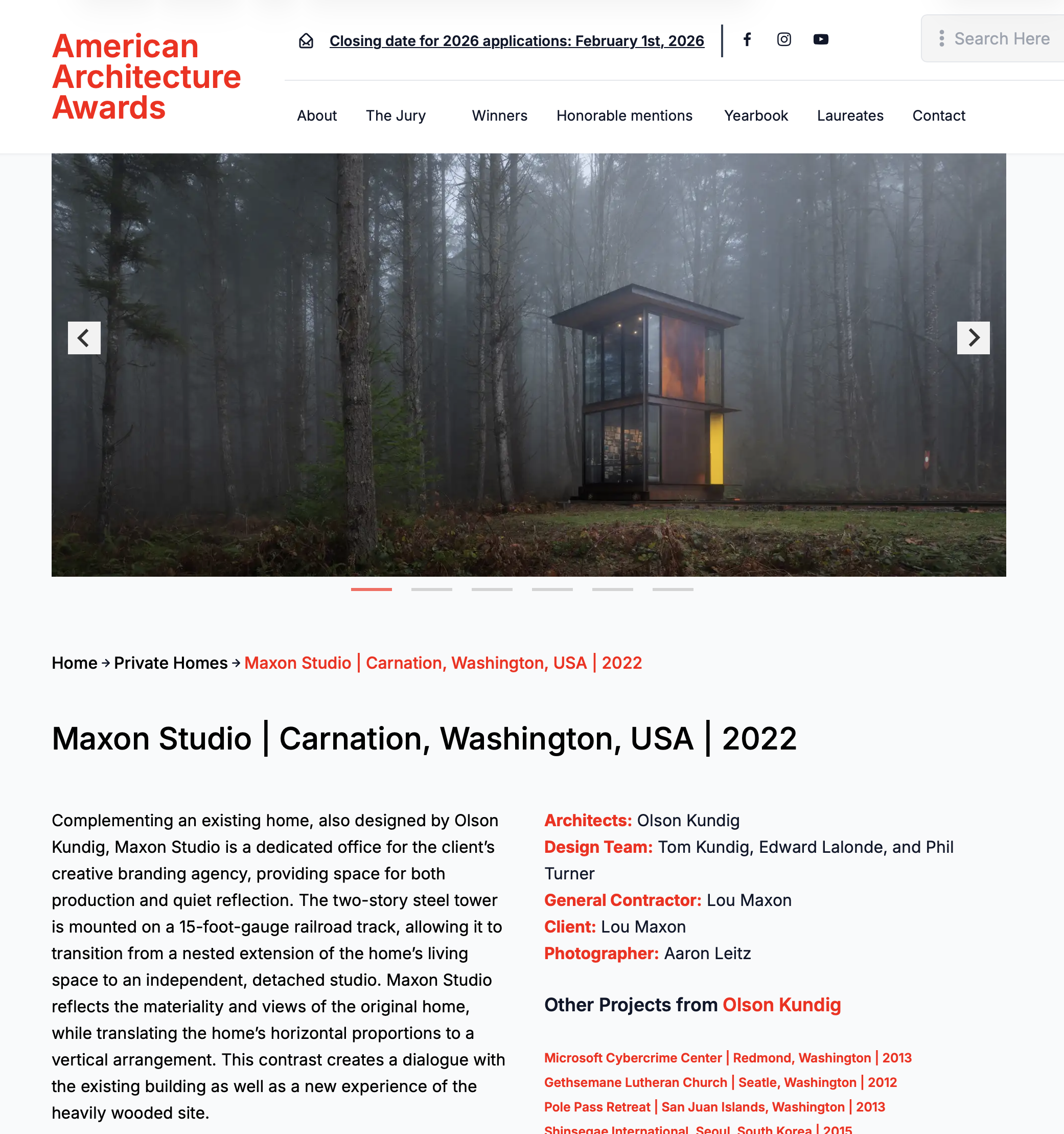
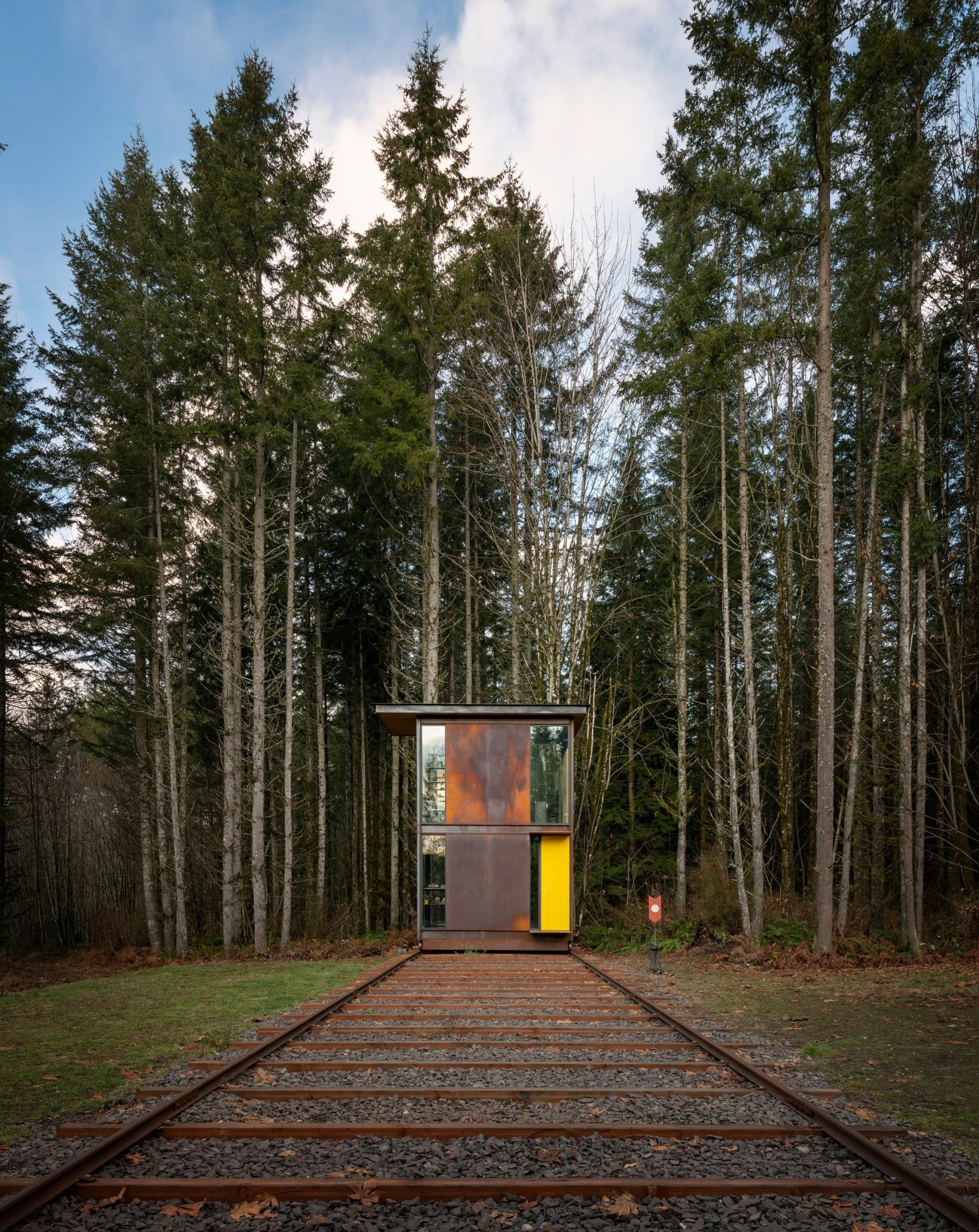
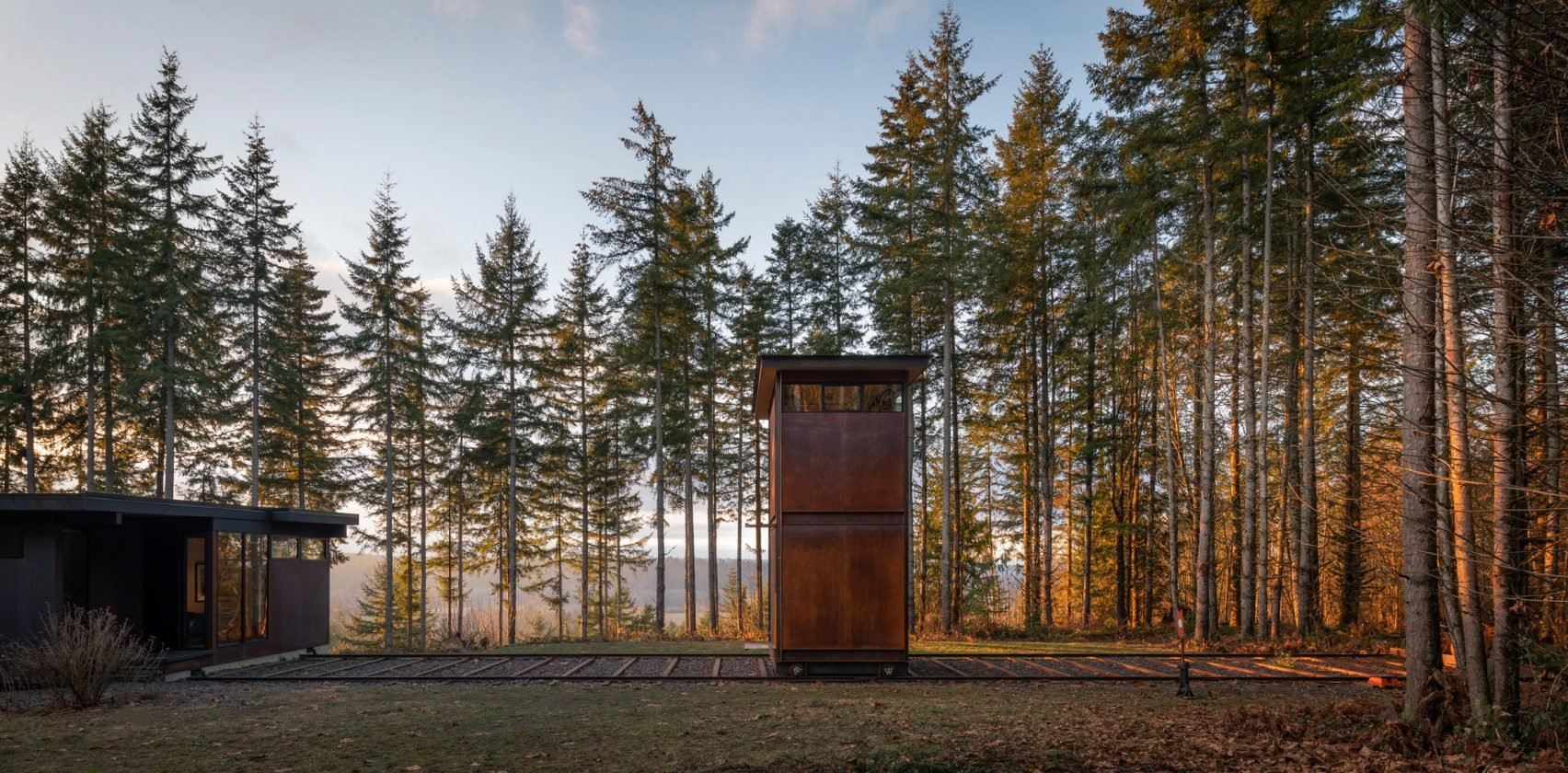
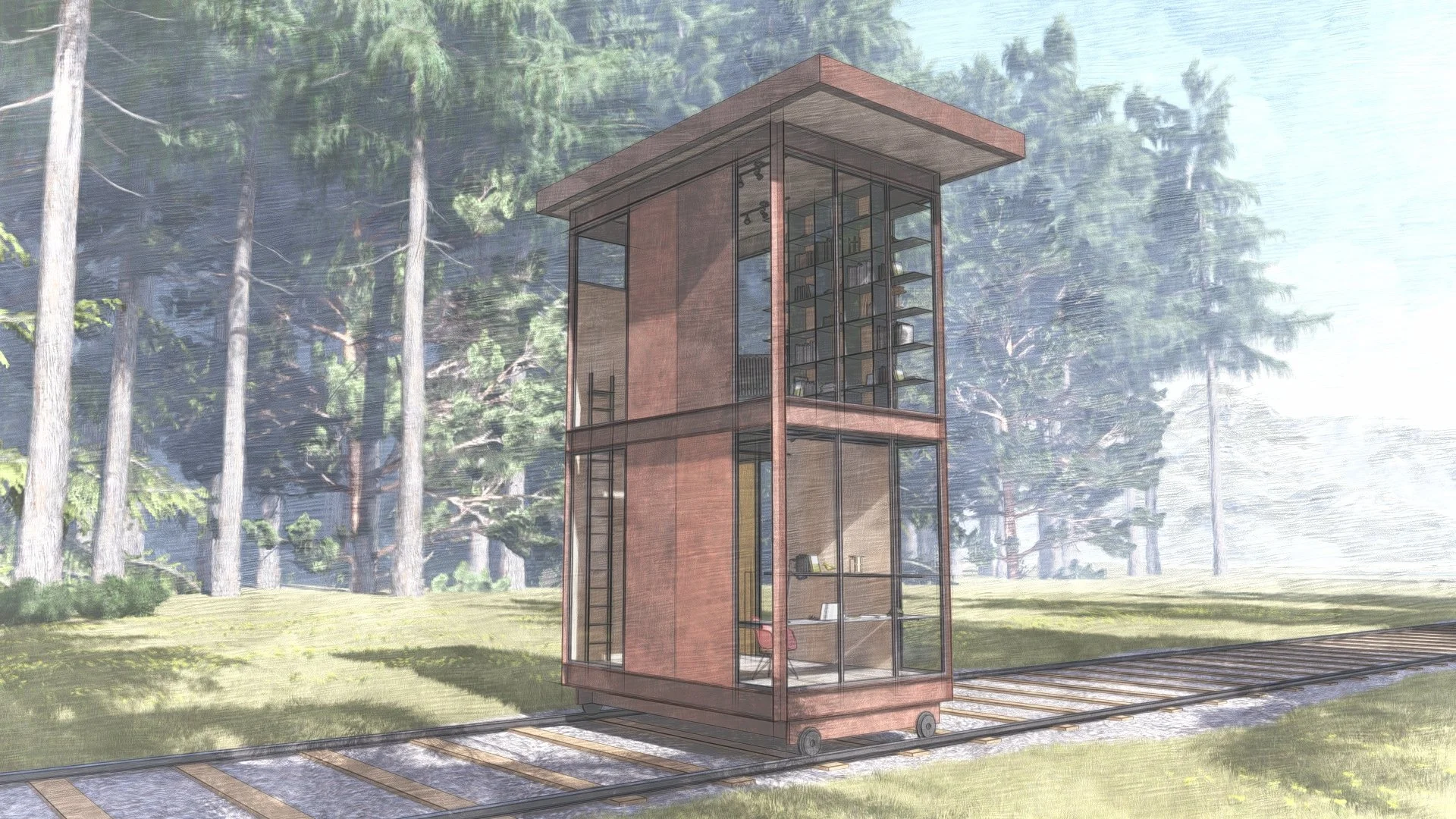
Concepted, designed and engineered in partnership with award-winning architect Tom Kundig of Olson Kundig, the kinetic caboose rail car studio is a one-of-a-kind two story steel framed and electrically powered. The rail car studio is inspired by the original caboose, the office of the railway. The office will operate by means of a 240V electric motor with a frequency drive control. The motor will couple to a gear reducer and then transfer power to the main axle shaft on one end of the office. By the use of limit switches and rheostat, the control of motion will be attained. A custom crafted railway interface complete with throttle and break will allow for speed control of the motor.
-
Maxon House is set on 21+ acres in the Pacific Northwest and designed by award-winning architect Tom Kundig of Olson Kundig. It is home to Maxon House studio set on reclaimed rails from the Great Northern and features a 110+ custom railway. Maxon House studio created the branding for the Maxon Railway project.
-
Maxon Railway honors the history of railroading in Tolt (Carnation) Washington by using reclaimed rails from The Great Northern Railway for our private short run railway. The railway is made from reclaimed rails, custom Douglas fir rail ties, rail fasteners, clips and splice bars and over 22 dump truck loads of rail ballast over the 110 feet of track that parallels the historic Great Northern and Milwaukee lines in the Tolt Valley.
-
Maxon Studio's unique infrastructure celebrates the legacy of the rail industry in the Tolt River Valley region while remaining sensitive to the natural landscape. Subtle references and industry artifacts showcase the influence of trains and railway design on the project. Its fabrication is a direct response to the discovery of steel cables and railroad spikes on the site. The control panel, formerly installed in a Burlington Northern locomotive, has been rewired and adapted to manage electrical acceleration and braking. The eye-catching yellow front door matches the original DuPont paint color of the striping on Great Northern trains. Authentic wooden railroad ties are repurposed from a Great Northern Railroad relay line. Maxon Studio provides a fresh perspective of the land, its industrial heritage, and the narrative of human endeavor.
-
Olson Kundig is a collaborative global design practice whose work expands the context of built and natural landscapes. They craft award-winning architecture for residential and workspace environments and are headquartered in the Pacific Northwest. They are known for kinetic architecture that can transform to create a more seamless connection with their environment.
Olson Kundig designed the kinetic railway studio car that will transport from the main home and distance itself to the forest beyond for the commute.
A two-story, vertical form that might take inspiration from the caboose cupola concept, the studio offers a working area on the first floor and a railway ladder to a loft space for contemplation, concepting and research with a library above. The simple structure takes on the same architecture of Maxon House and becomes the vertical element in an horizontal landscape. A 110+ foot journey on reclaimed Great Northern Railway tracks provides the pathway. Keeping in spirit with the high-touch materiality of Olson Kundig’s work, the kinetic move begins with engaging a custom built railway throttle interface that controls the forward, backward motion and speed. The rail car rides on a custom broad-gauge railway with 20 foot Douglas fir railroad ties, standard rail clips and rail joined by splice bars custom engineered for the project.
-
-
This isn’t to say that Disney didn’t have an interest in trains before he was Kimball’s Chief Engineer. Long before Disney met Kimball, Walt was inspired by his uncle, a steam locomotive engineer, to get a summer job selling newspapers, candy, fruit, and soda aboard the railway.
His love of trains then grew over the years.
In 1950, Walt built his own railroad in his backyard and named it Carolwood Pacific Railroad for the street on which they lived in Holmby Hills, California. The railway was a half-mile long and looped and criss-crossed the yard and the house.
Walt’s wife, Lillian, would not let him build the track through her flower beds, so he tunneled underneath them instead.
When Walt’s Disneyland Park opened in Anaheim, CA, in 1955, it seemed only natural that one of the premier attractions would be a railroad. Just four years later, on June 14th, 1959, Walt opened the monorail, which was, in itself, a marvel of the time – a new kind of train for a new era of transportation.
-
Inspired by Wes Anderson’s love of trains in cinema, Maxon Railway takes some visual cues in the form of on-board artifacts and props from The Darjeeling Limited. One such piece is a large and richly patinated asymmetrical painting made by an artist in India for Wes Anderson’s “The Darjeeling Limited.” It was was made for the film and transported from India back to New York City with all of the used and unused props from the film, where it was ultimately acquired by an associate of the production company. Composed of a painted sheet metal ‘canvas’ backed by hand-assembled wooden stretcher boards. Artist signed with his telephone number in verso (the translation of the artist from Hindi to English is ‘Paaliwaal”). Rare artifact from the world of Wes Anderson, which separately stands on its own as a naturally weathered, large-scale work of art in a bold, attractive color palette. Includes a certificate of origin from the client who originally acquired it from the Manhattan prop house in 2007. Measures: H: 35.5″ x L: 78.5″ x D: 2.25″.
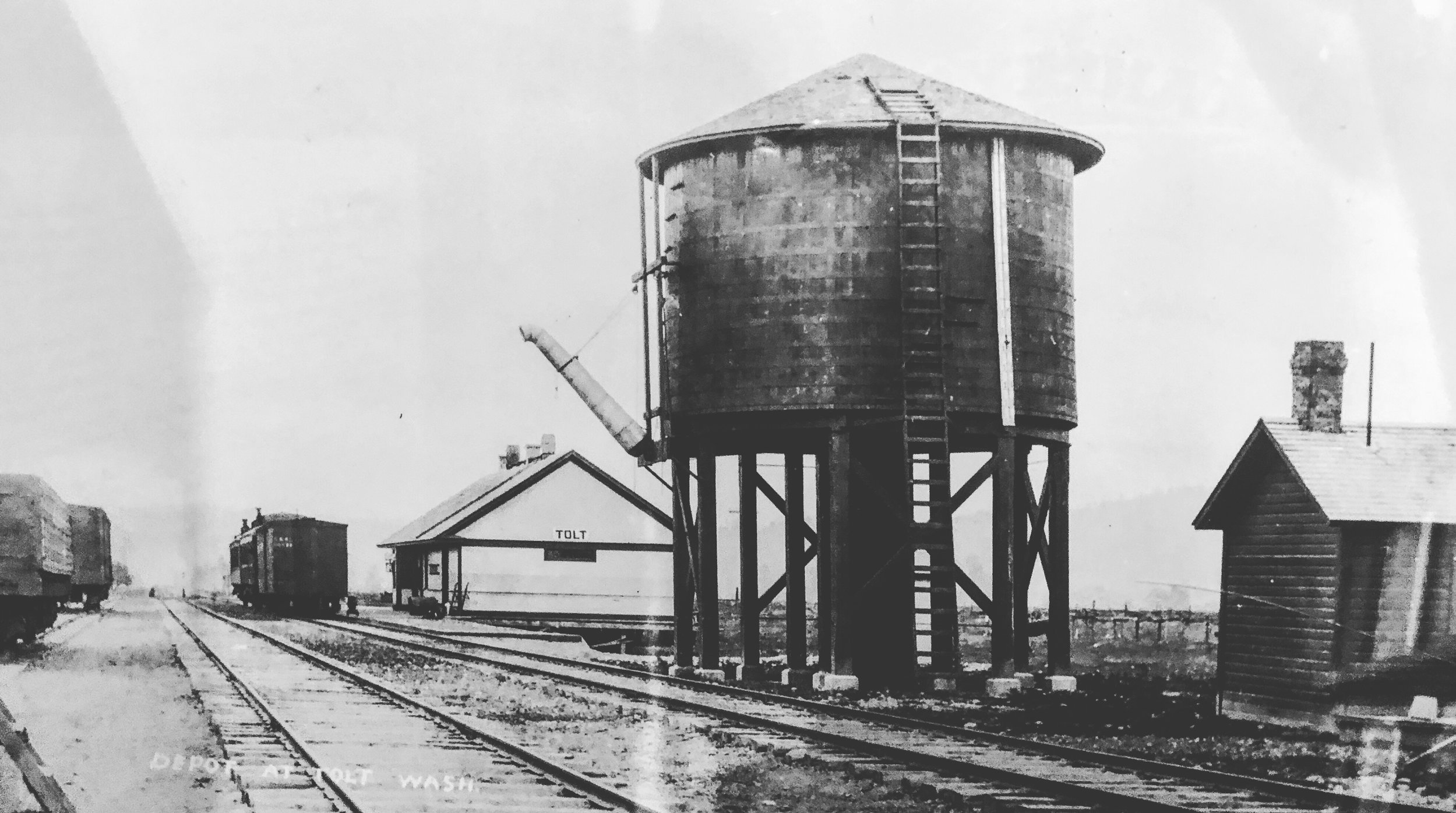
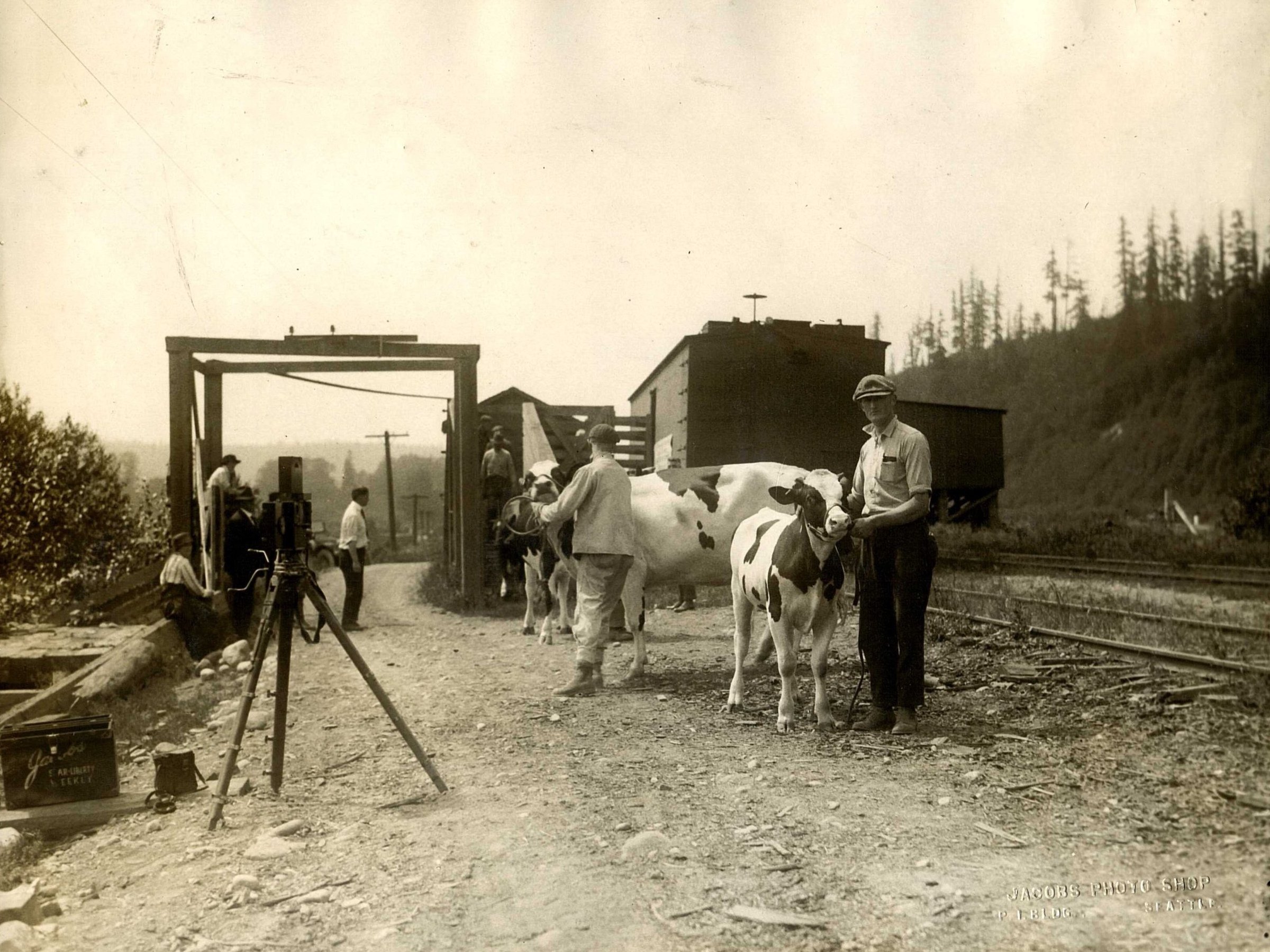

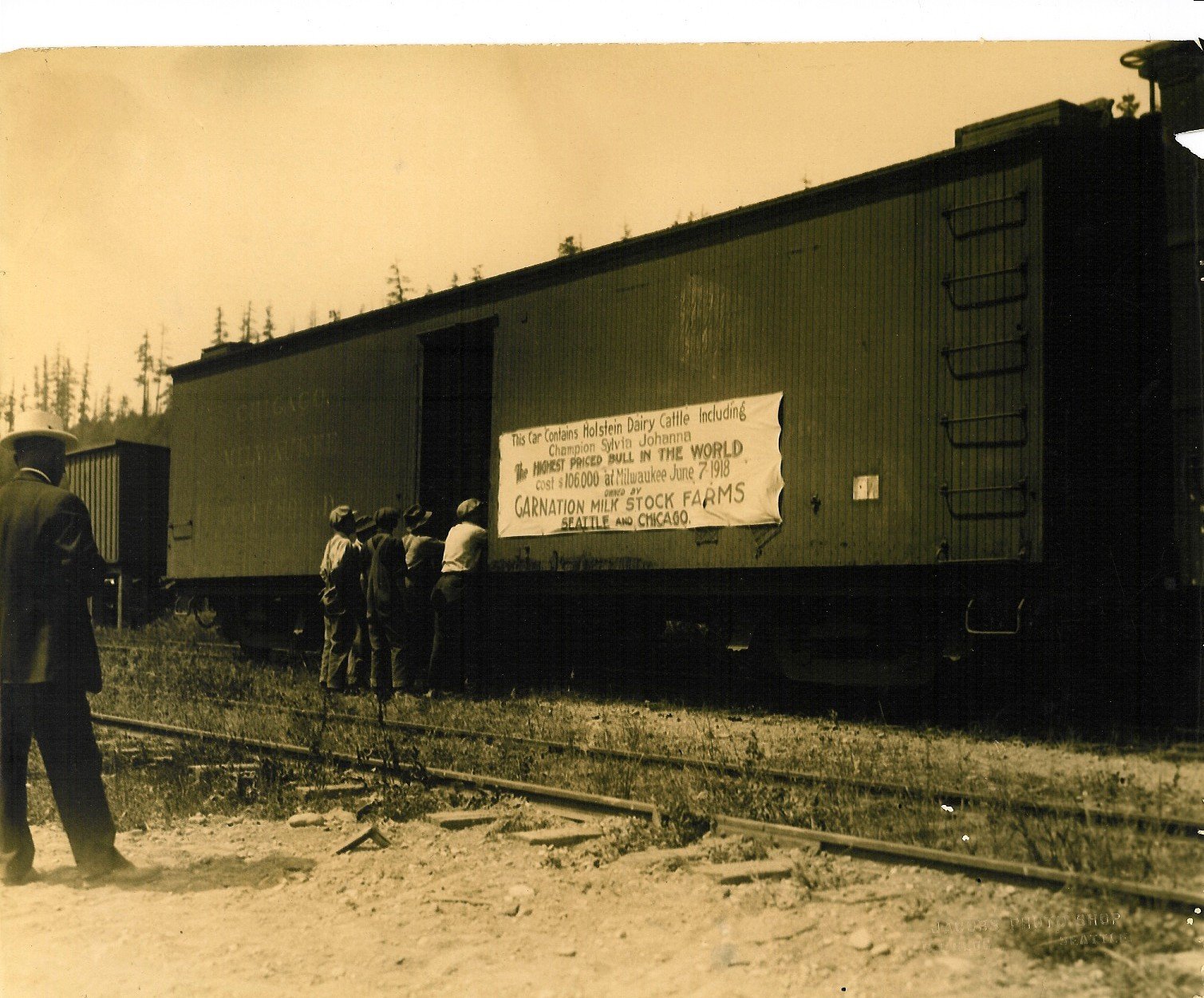
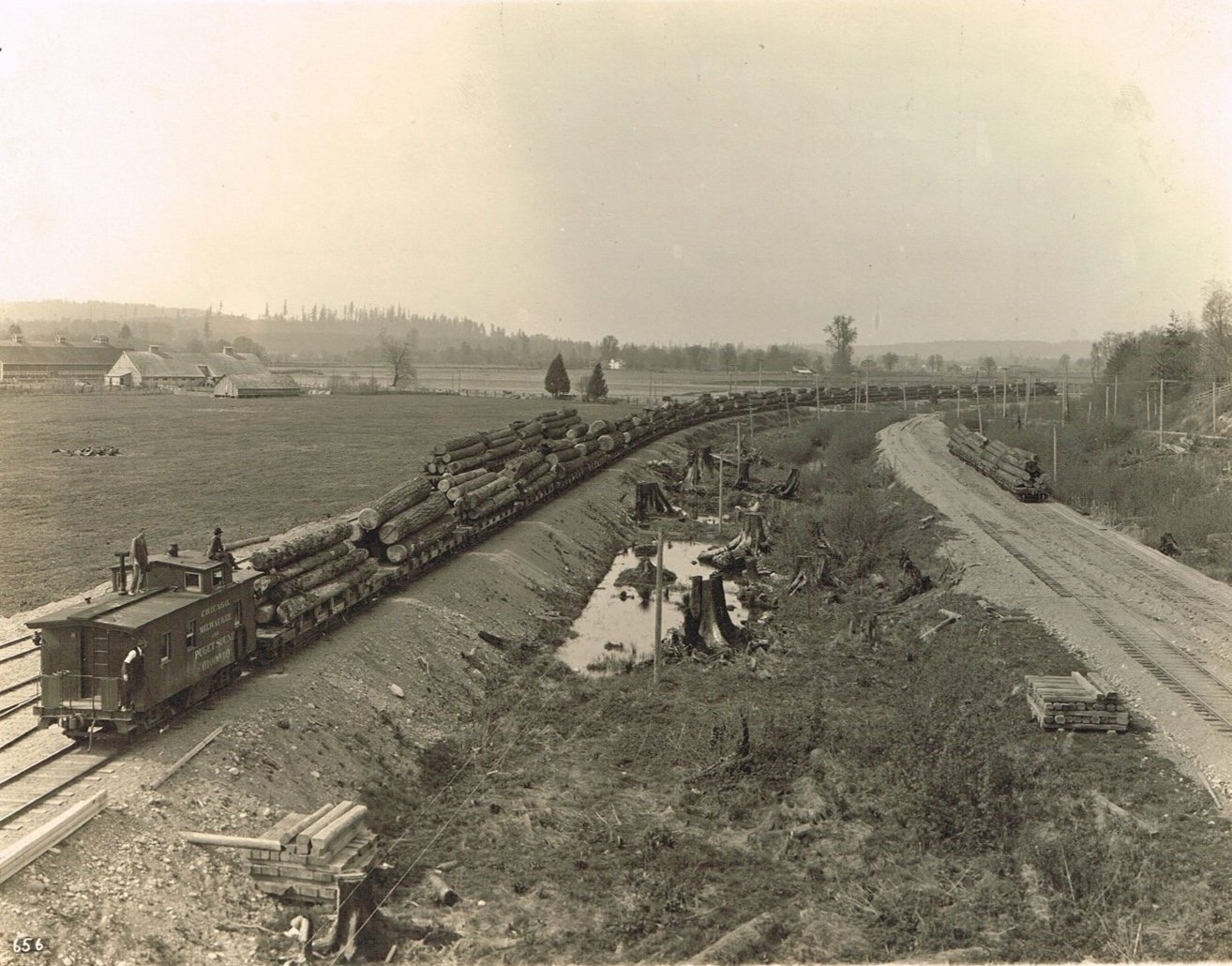







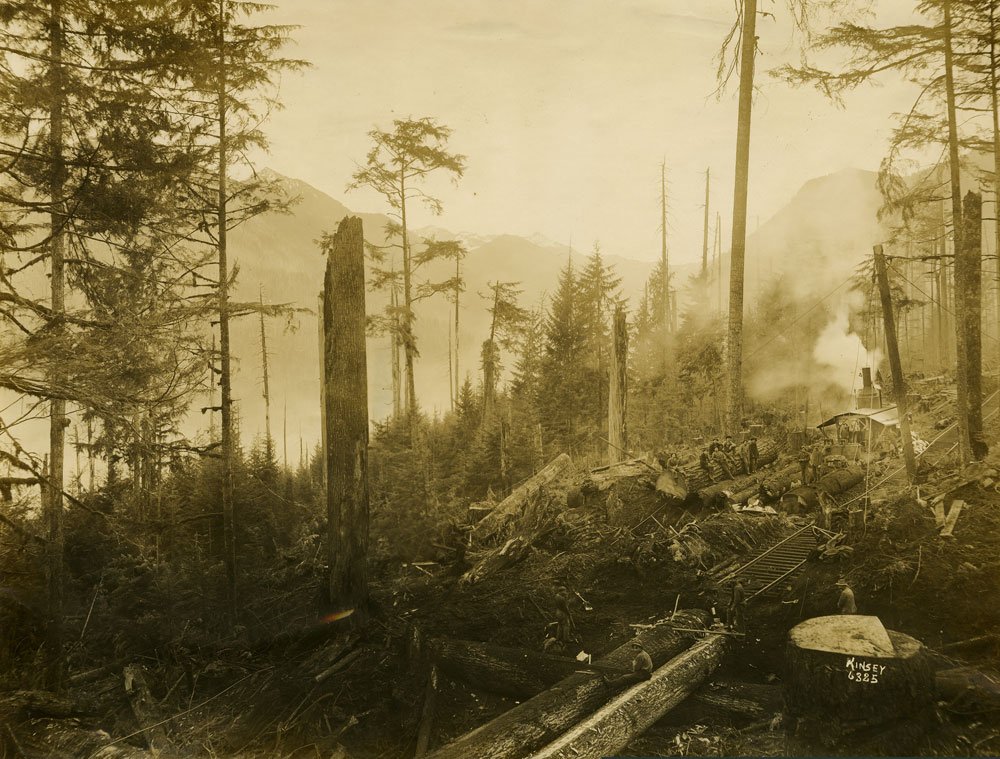


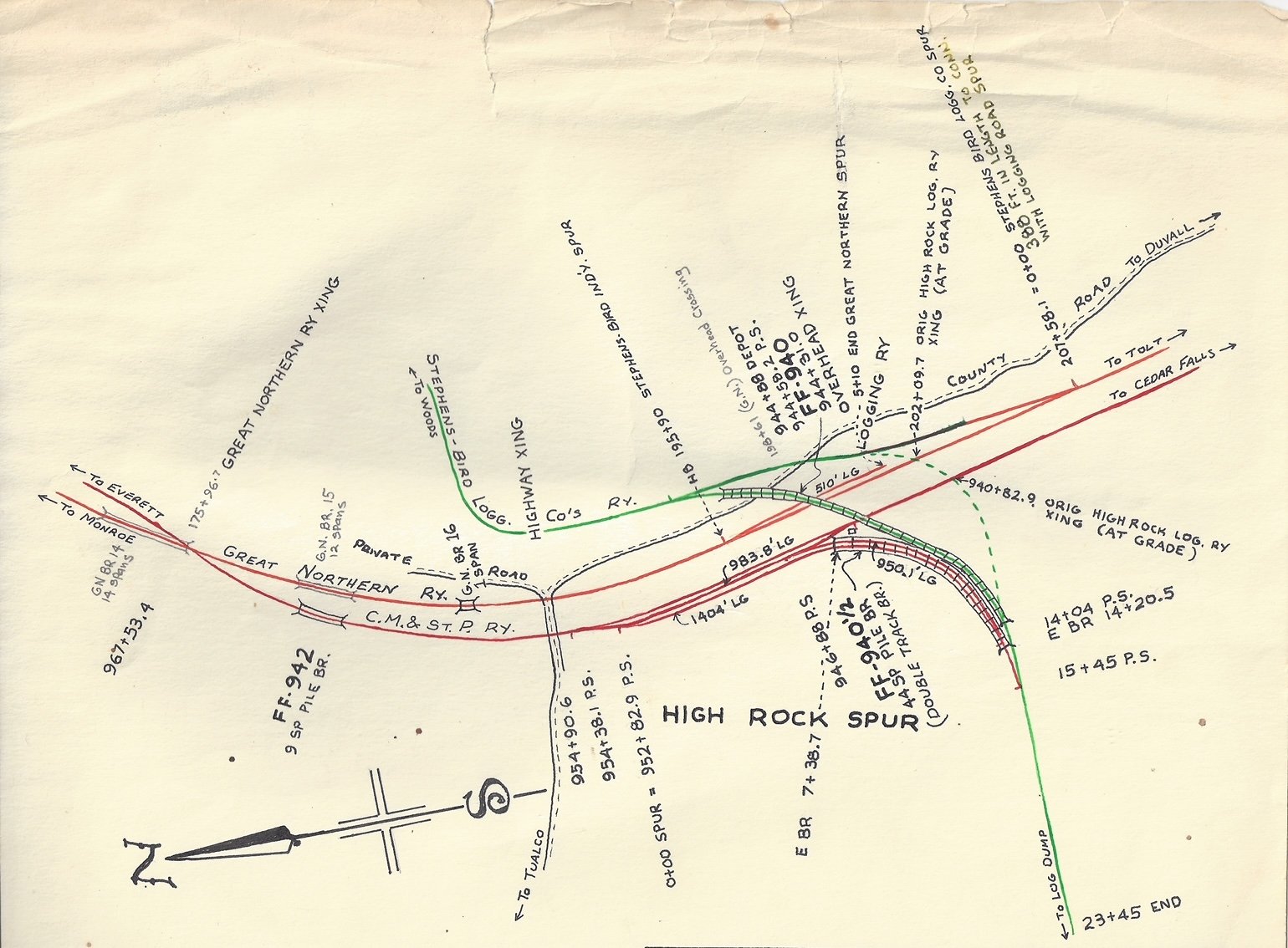

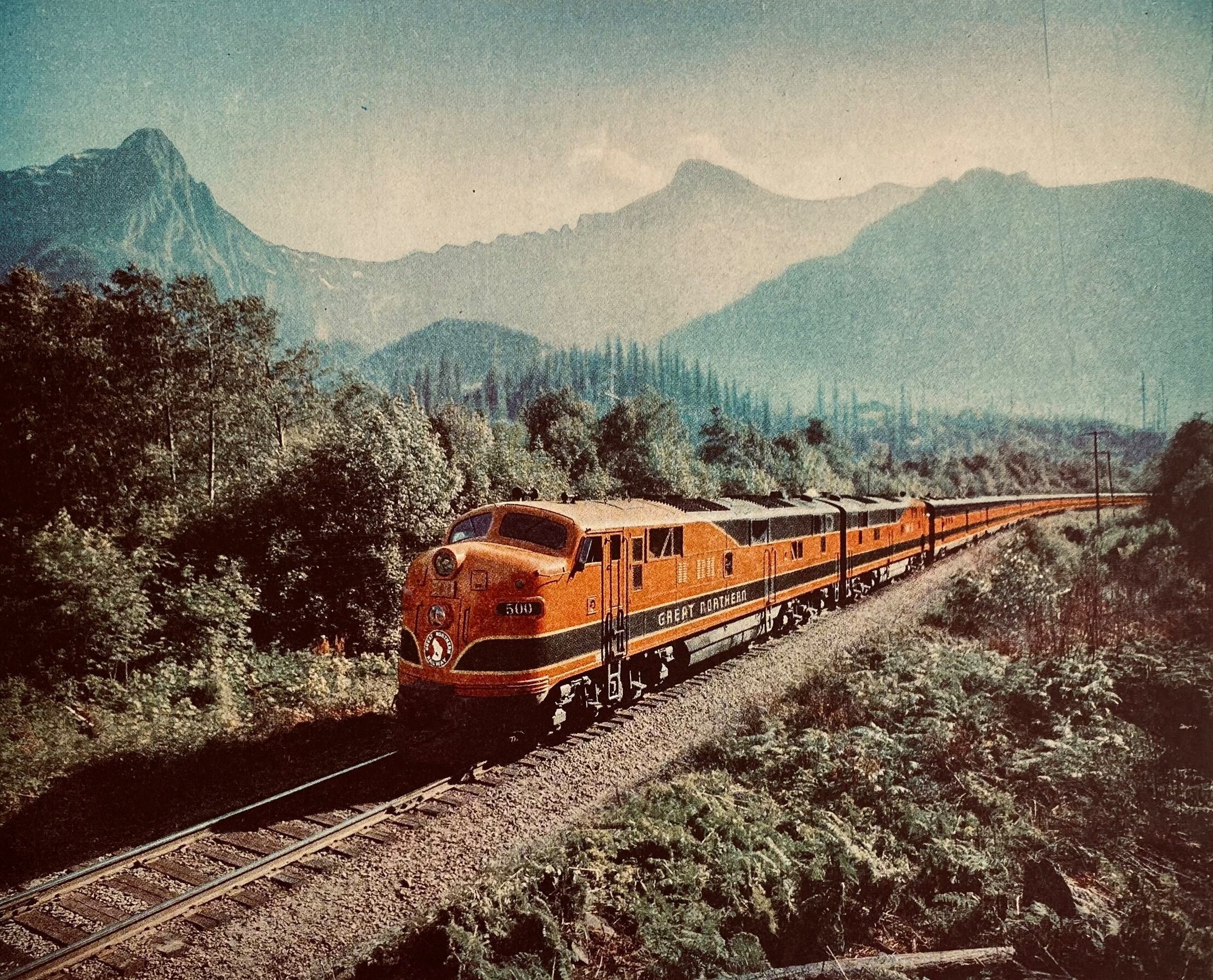


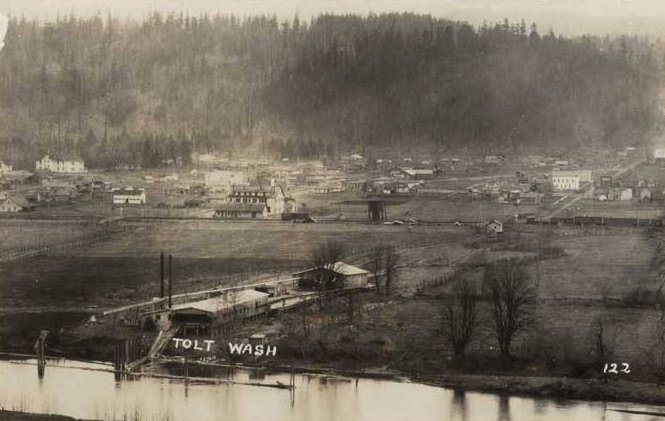
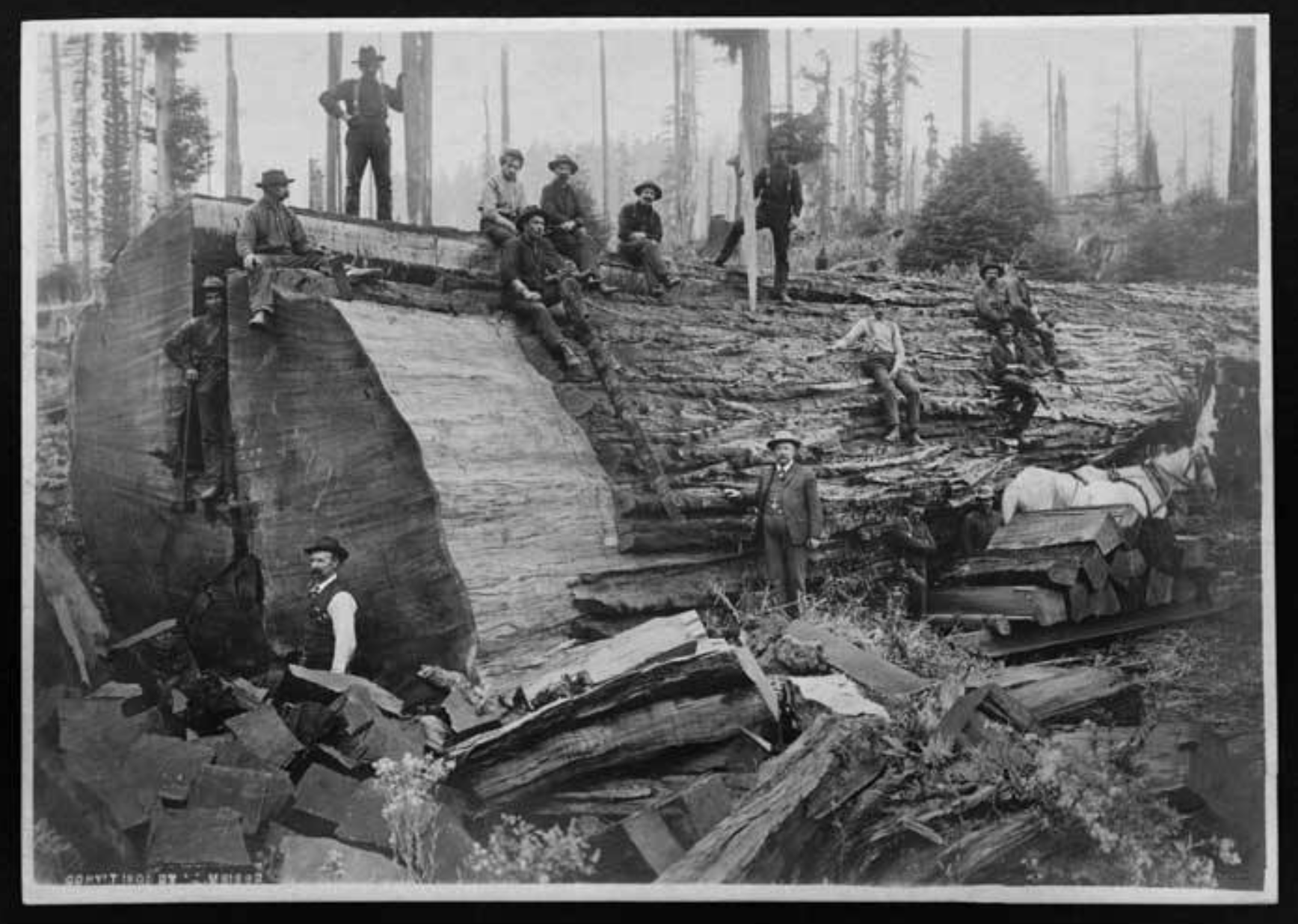
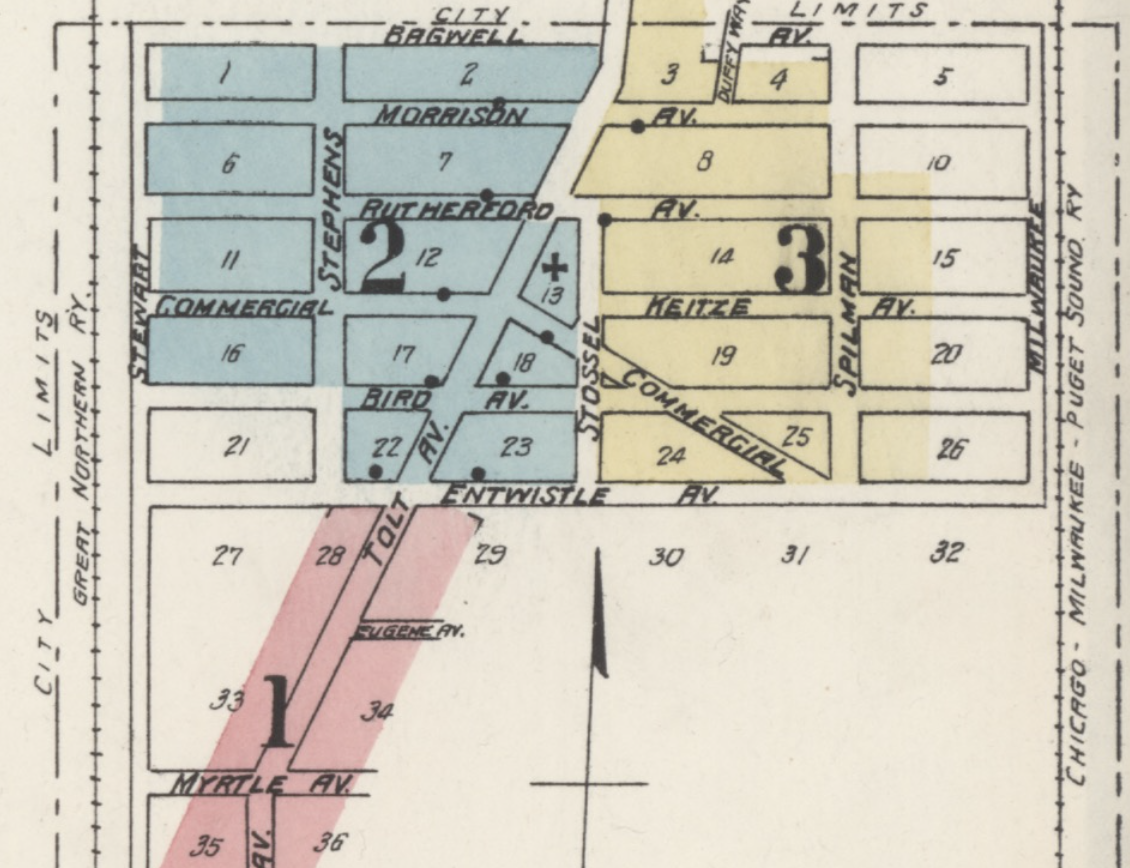



Tolt Railroad History
-
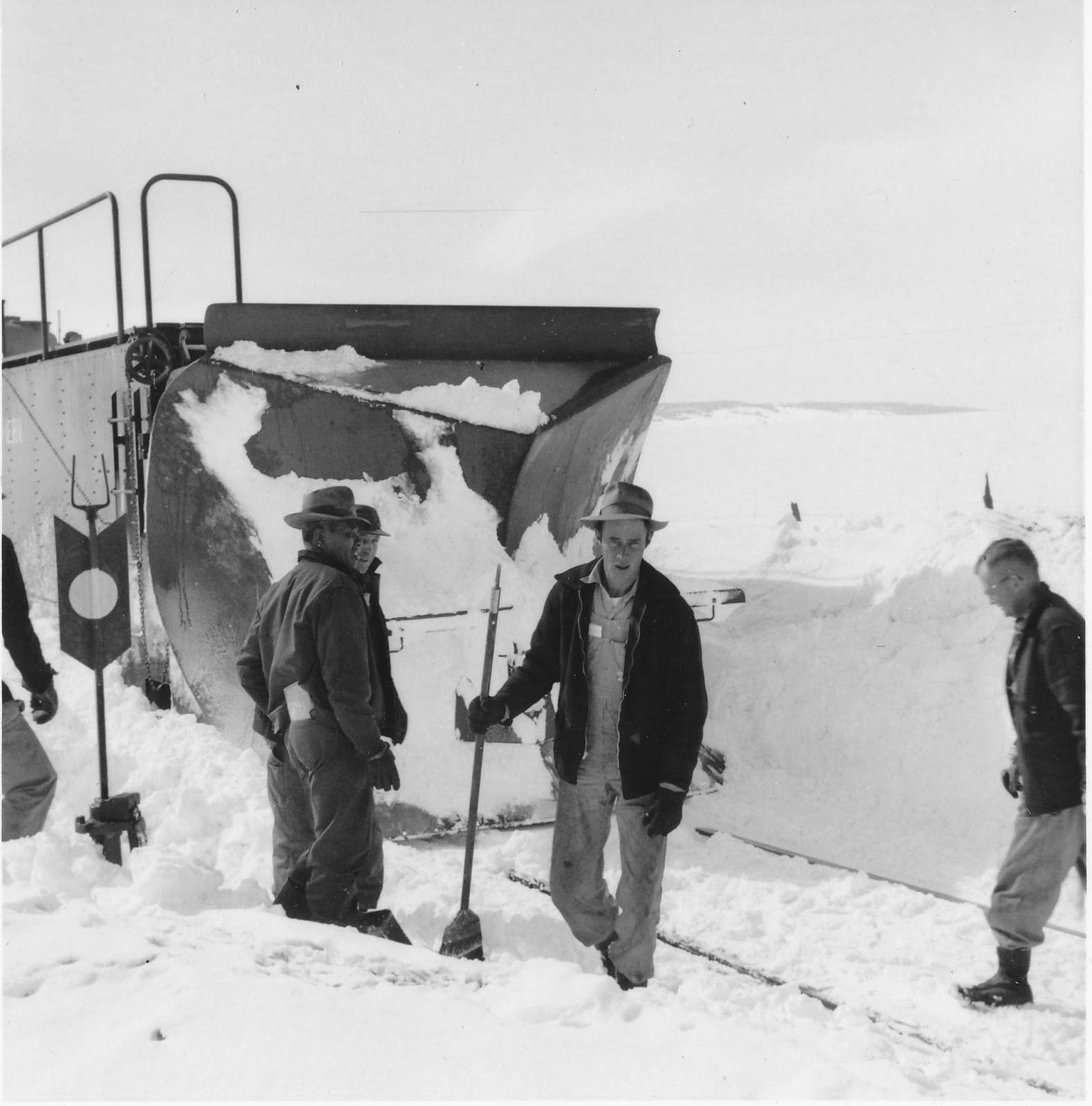
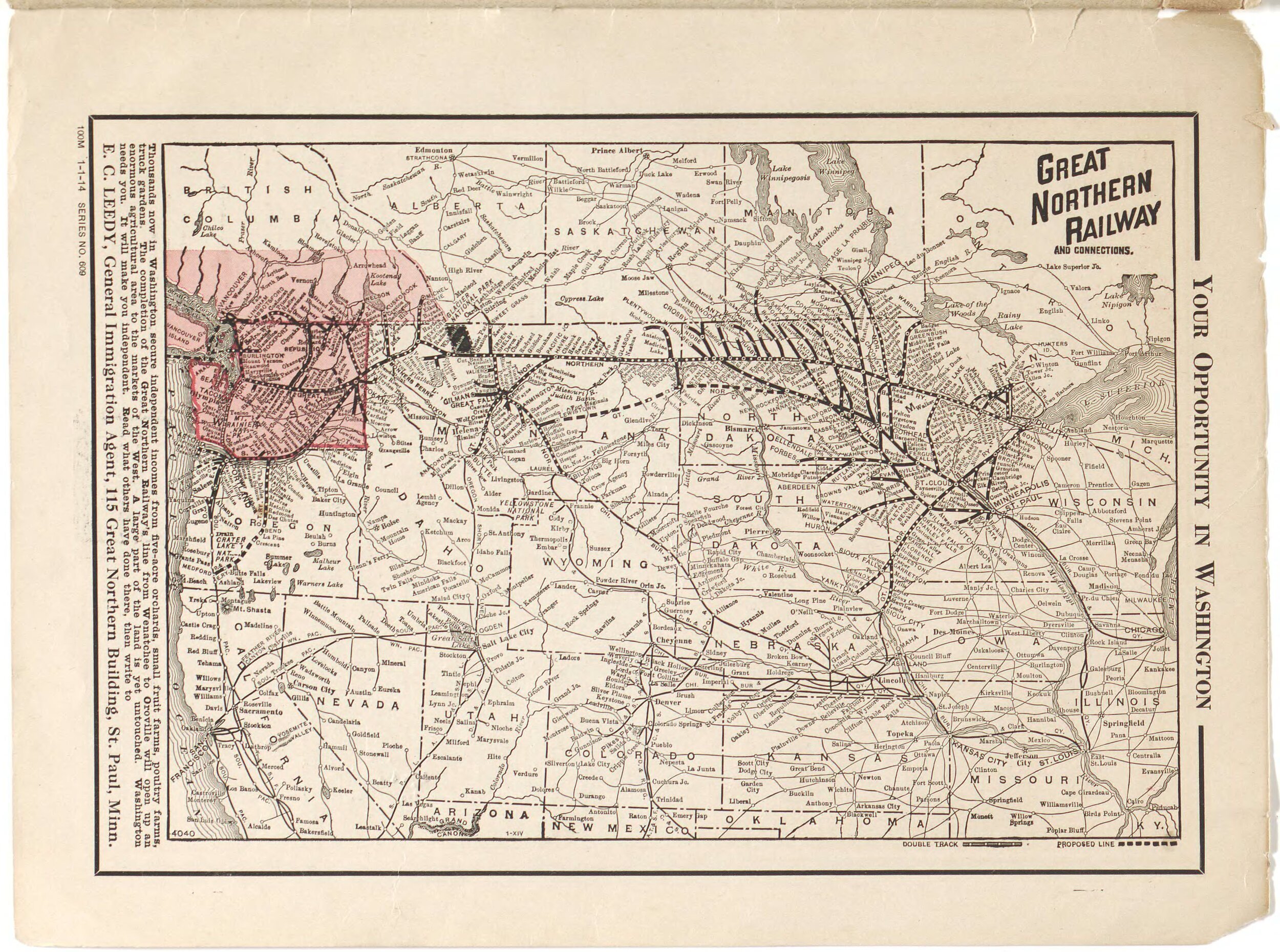
The Great Northern was built in stages, slowly creating profitable lines, before extending the road further into undeveloped Western territories. In a series of the earliest public relations campaigns, contests were held to promote interest in the railroad and the ranchlands along its route. Fred J. Adams used promotional incentives such as feed and seed donations to farmers getting started along the line. Contests were all-inclusive, from the largest farm animals to the largest freight carload capacity, and were promoted heavily to immigrants and newcomers from the East.
The very first predecessor railroad to the company was the St. Paul and Pacific Railroad owned by William Crooks. He had gone bankrupt running a small line between St. Paul and Minneapolis. He named the locomotive he ran for himself and the William Crooks would be the first locomotive of the Great Northern Railway. J.J. Hill convinced New York banker John S. Kennedy, Norman Kittson (a wealthy fur trader friend), Donald Smith (a Hudson's Bay Company executive), George Stephen (Smith's cousin and president of the Bank of Montreal), and others to invest $5.5 million in purchasing the railroad.On March 13, 1878, the road's creditors formally signed an agreement transferring their bonds and control of the railroad to J.J. Hill's investment group. On September 18, 1889, Hill changed the name of the Minneapolis and St. Cloud Railway (a railroad which existed primarily on paper, but which held very extensive land grants throughout the Midwest and Pacific Northwest) to the Great Northern Railway. On February 1, 1890, he consolidated his ownership of the StPM&M, Montana Central Railway, and other rail lines to the Great Northern.
The Great Northern had branches that ran north to the Canada–US border in Minnesota, North Dakota, and Montana. It also had branches that ran to Superior, Wisconsin, and Butte, Montana, connecting with the iron range of Minnesota and copper mines of Montana. In 1898 Hill purchased control of large parts of the Messabe Iron Range in Minnesota and its rail lines. The Great Northern began large-scale shipment of ore to the steel mills of the Midwest.
The railroad's best-known engineer was John Frank Stevens, who served from 1889 to 1903. Stevens was acclaimed for his 1889 exploration of Marias Pass in Montana and determined its practicability for a railroad. Stevens was an efficient administrator with remarkable technical skills and imagination. He discovered Stevens Pass through the Cascade Mountains, set railroad construction standards in the Mesabi Range, and supervised the construction of the Oregon Trunk Line. He then became the chief engineer of the Panama Canal.
-
The Chicago, Milwaukee, St. Paul and Pacific Railroad (CMStP&P), often referred to as the "Milwaukee Road" (reporting mark MILW), was a Class I railroad that operated in the Midwest and Northwest of the United States from 1847 until 1986.
The company experienced financial difficulty through the 1970s and 1980s, including bankruptcy in 1977 (though it filed for bankruptcy twice in 1925 and 1935, respectively). In 1980, it abandoned its Pacific Extension, which included track in the states of Montana, Idaho, and Washington. The remaining system was merged into the Soo Line Railroad (reporting mark SOO), a subsidiary of Canadian Pacific Railway (reporting mark CP), on January 1, 1986. Much of its historical trackage remains in use by other railroads. The company brand is commemorated by buildings like the historic Milwaukee Road Depot in Minneapolis and preserved locomotives such as Milwaukee Road 261 which operates excursion trains.
-
In 2022 the Maxon Railway launches a private short line for the exclusive running of a kinetic studio inspired by the original caboose, the office of the railroad. Self-powered by an electric motor, the rail car runs on tracks reclaimed from the Great Northern Railway. The iconic railway ran in Tolt (Carnation) in the early 1900s on tracks that parallel the siting of the Maxon Railway.

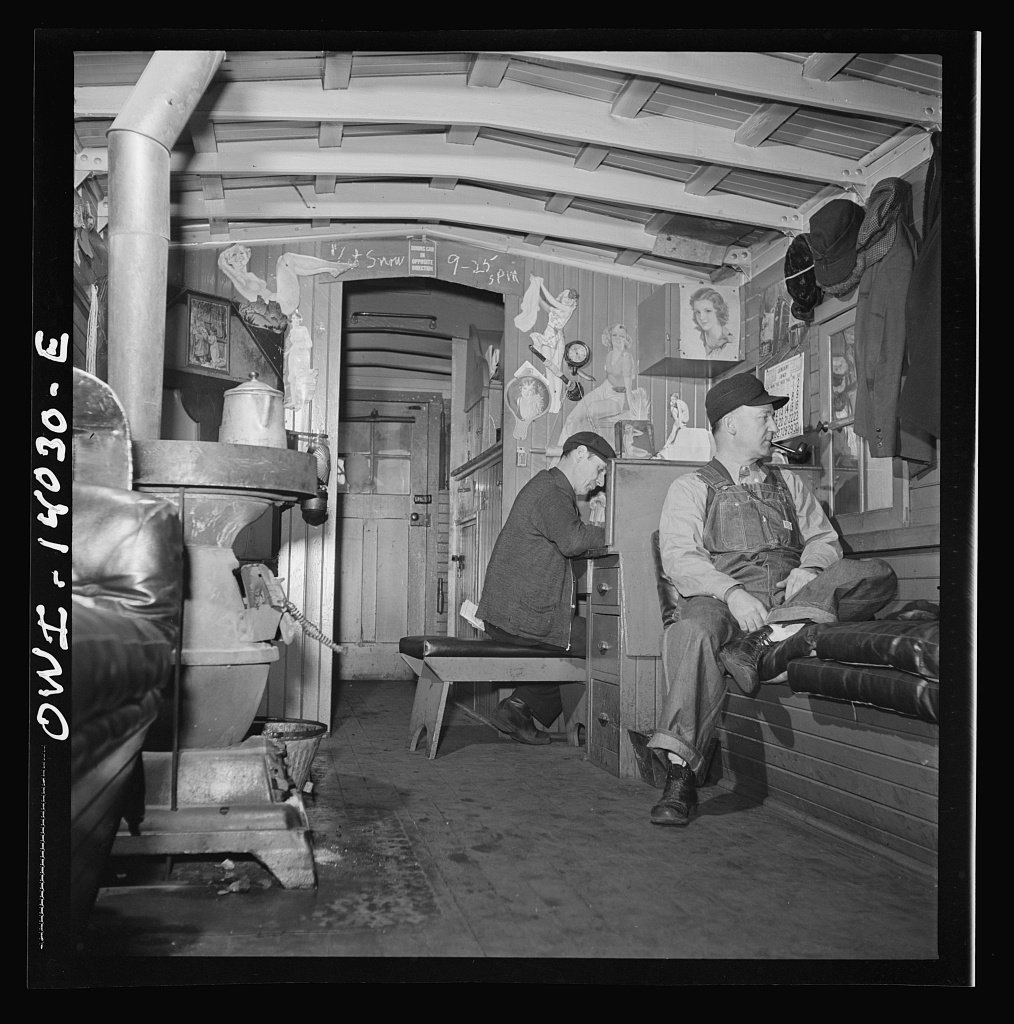
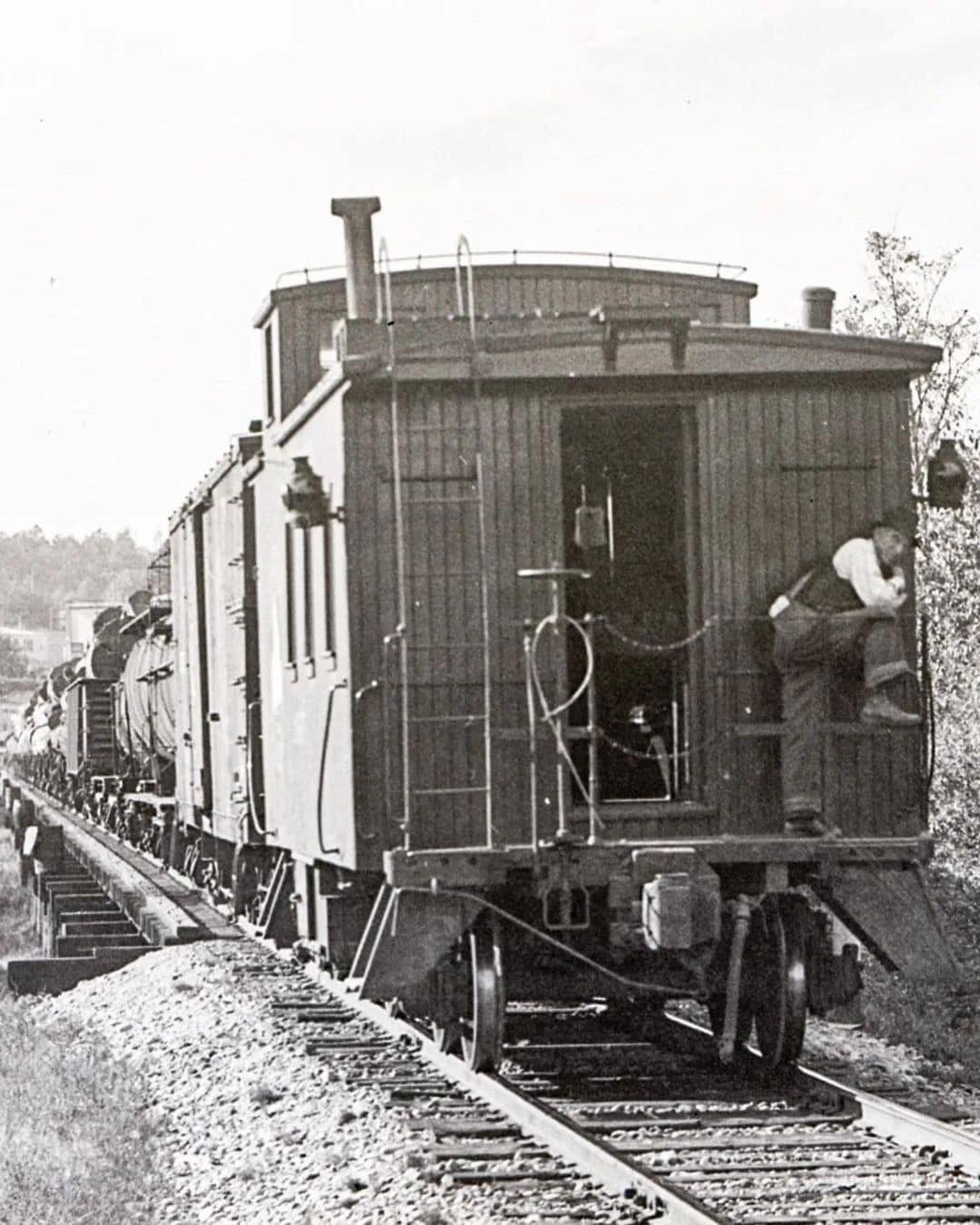
The caboose served several functions, one of which was as an office for the conductor. A printed "waybill" followed every freight car from its origin to destination, and the conductor kept the paperwork in the caboose.
The caboose also carried a brakeman and a flagman. In the days before automatic air brakes, the engineer signaled the caboose with his whistle when he wanted to slow down or stop. The brakeman then would climb out and make his way forward, twisting the brakewheels atop the cars with a stout club. Another brakeman riding the engine would work his way toward the rear. Once the train was stopped, the flagman would descend from the caboose and walk back to a safe distance with lanterns, flags and other warning devices to stop any approaching trains.
It was common for railroads to assign a caboose to a conductor for his exclusive use. Conductors took great pride in their cars, despite the caboose's many derogatory nicknames, including crummy, doghouse, bone-breaker, snake wagon and hearse.
The men decorated their car interiors with many homey touches, including curtains and family photos. Some of the most important additions were ingredients for cooking meals that became a part of American folklore. Augmented with such comforting features, the caboose served as a home away from the trainmen's home terminals.

Virtual Tour
Virtually tour the Maxon Railway kinetic studio caboose designed in collaboration with Tom Kundig of Olson Kundig. The kinetic rail studio is a two-story, steel framed and electrically powered car running on a broad gauge railway. Digital video and renderings by Dardo Molina for Maxon Railway.
Inspired by
the railroad
The caboose was the office of the railroad and the rail car studio uses real-world railroad technology from the kinetic drive system to steel structure, bearings from the same company that made them for the Great Northern Empire builder line. We leveraged rail technology (old and new) into the design and fabrication of Maxon Railway. Special thanks to all the collaborators and contributors who provide both product and insight (and stories) to inspire the possibilities for this project to come to life over the last few years.
-
Frequent trips to Seattle’s Balmer Yard, an ex-Great Northern yard provides ample up close opportunities to view locomotives, daily operations and various rail cars for reference and inspiration. Special thanks to Nick Hoff at BNSF.
-
Many elements of Maxon Railway were reuse and prefabricated off-site. Steel components were assembled in a shop in Twisp. Structurally insulated panels make up the roof section and were produced locally in Puyallup. Rail sections were sourced for reuse from the Great Northern Railway.
-
The kinetic studio rail car utilizes a reclaimed General Motors EMD locomotive control panel that has been updated and modified to provide operation to the studio.
-
We sourced rail and rail accessories including splice bars, rail clips and relay rail from Harmer Steel, the official supplier of rail and track accessories to Maxon Railway.
-
The rail car operates by means of a 240V electric motor with a frequency drive control. The motor couples to a gear reducer and then transfers power to the main axle shaft on one end of the rail car. By the use of limit switches and rheostat, the control of motion will be attained. A custom crafted railway interface complete with throttle and break allows for speed control of the motor.
-
A Nord drive system provides electrical power to the rear axel drive system and interfaces with the GE EMD locomotive control panel. The same Nord system provides kinetic power to commercial operations including retractable stadium roofs and ski lifts.
-
Passengers on the Great Northern’s Timken bearing-equipped Empire Builder find an extra half day waiting for them in Chicago or Seattle. This new streamliner beats the old schedule by 13 1/2 hours. The same bearings used on the original Empire Builder are utilized in the engineering and fabrication of the drive system in the kinetic rail car studio.

Resources
-
We took numerous research trips during the planning and design phase of the project departing from the historic King Street station in Seattle on board the Empire Builder and Coast Starlight routes.
-
When the railroad ushered in one of the most transformative eras in American history, James J. Hill emerged as its unrivaled leader. Building a transportation empire that stretched across North America and to the Orient, he was a catalyst for the agriculture, timber and mining industries of the West and settled tens of thousands of immigrants along his lines. As the pendulum swung from the Gilded Age to the Progressive Era, Hill was a lightning rod for the most impactful issues of the day: immigration, government regulations, market manipulation, trust-busting, Native American displacement, environmental stewardship as well as financing America’s allies during The Great War. James J. Hill is simply one of the most fascinating individuals in American history you may never have heard of.
-
The GNRHS is dedicated to the preservation, study, and history of one of America's greatest railroads, the Great Northern Railway.
To Society Members, we offer carefully-researched Reference Sheets, a quarterly GN Goat publication, an annual calendar, discounts on model kits, books, CD's and other items, and an annual convention to discover all that is the Great Northern Railway. Learn more.
For researchers the GNRHS Archives have historic documents and photos available on a wide range of subjects covering the Great Northern.
-
Maxon Railway are proud supporters and members of the Highline. The High Line is a 1.45-mile-long elevated linear park, greenway and rail trail created on a former New York Central Railroad spur on the west side of Manhattan in New York City. The High Line's design is a collaboration between James Corner Field Operations, Diller Scofidio + Renfro, and Piet Oudolf.
-
Excellent source of inspiration for all things railroading. Interviews and profiles on historical railroad subjects in addition to in-depth information on locomotives, tourist railroads and more. Learn more.
-
The Tolt Historical Society has, since its formation in 1982, built a museum collection of vintage photographs, artifacts and memorabilia representing the 100+ year history of the town of Tolt/Carnation. The Collection is currently housed in the Tolt-Carnation Historical Museum at the Hjertoos House located on the grounds of Carnation Tree Farm, just south of Carnation on State Route 203. The museum is the Historical Society’s major accomplishment with a current inventory of over 1000 items.
The Society is an all volunteer organization whose operation depends on contributions and funding from State and Federal Heritage Agencies.

The Empire
Builder
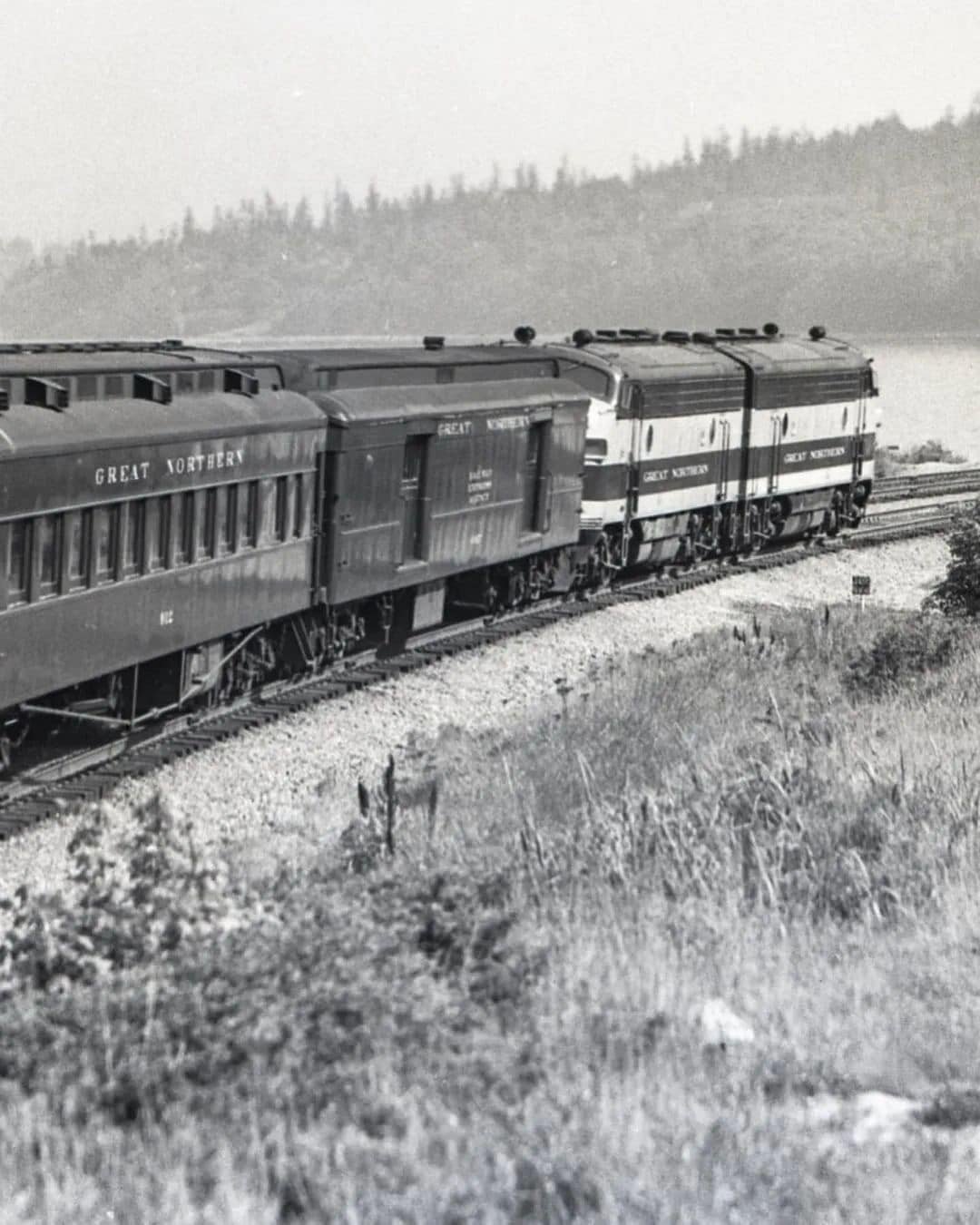
The Great Northern was the iconic rail line stretching from Seattle to Chicago and once reached Tolt, Washington. Check out the documentary on James J. Hill and the iconic rail line known as the Empire Builder now available on DVD and Streaming services.
Walk the line
Listen to the iconic Johnny Cash marvel at the sublime wonder that is the railroad.
Emperor of
the North
In 1933, during the Depression, Shack the brutal conductor of the number 19 train has a personal vendetta against the best train hopping hobo tramp in the Northwest, A No. 1.